Few programmes offer such strong and evocative poetic substance as a lighthouse. The lighthouse is a place and an object that inspires reverie, the imagination of distant places but also of return, of a landmark, a symbol of safety after stormy voyages. The lighthouse is the very embodiment of what it carries, of why it exists: to carry and bring light.
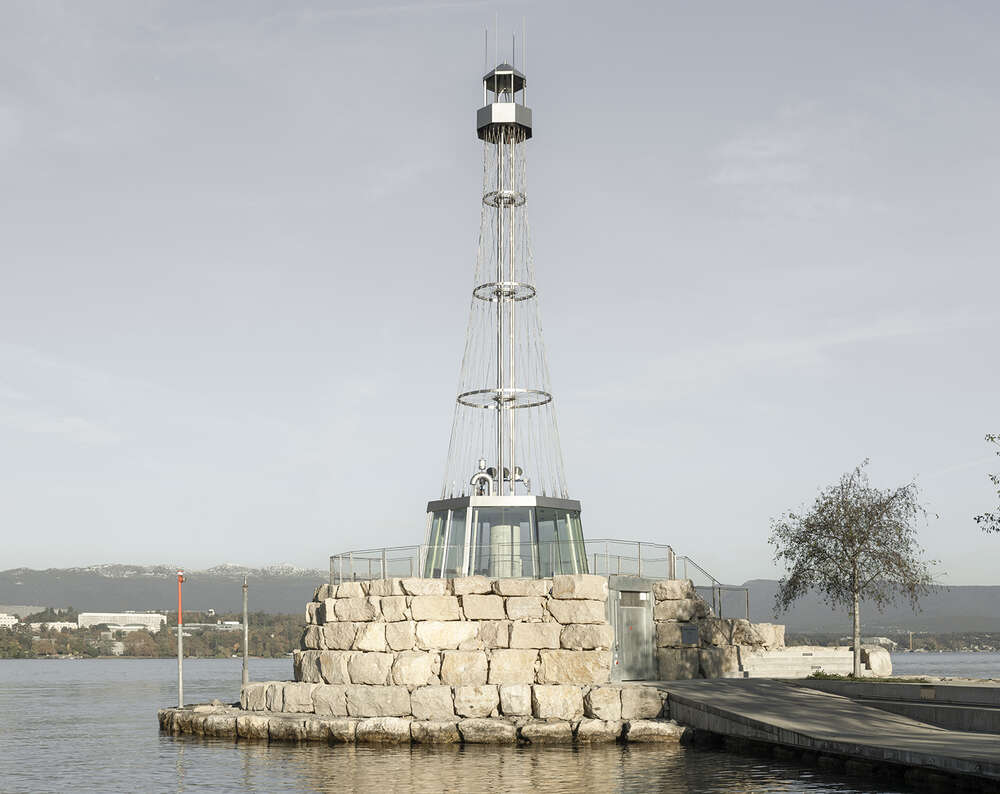
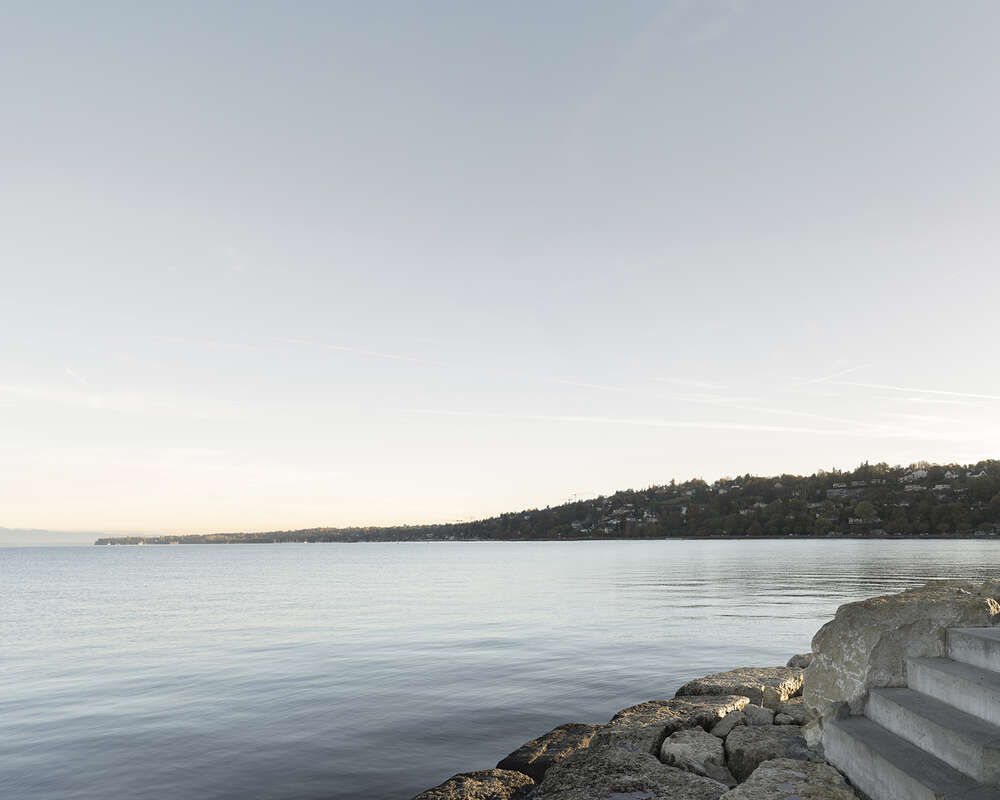
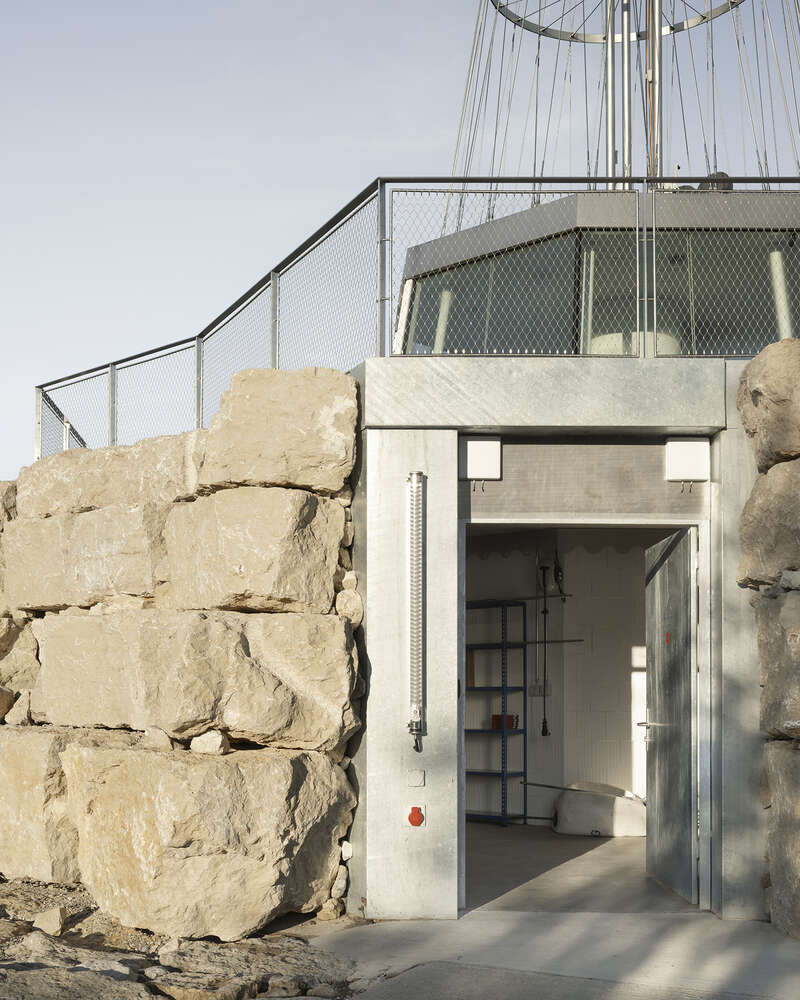
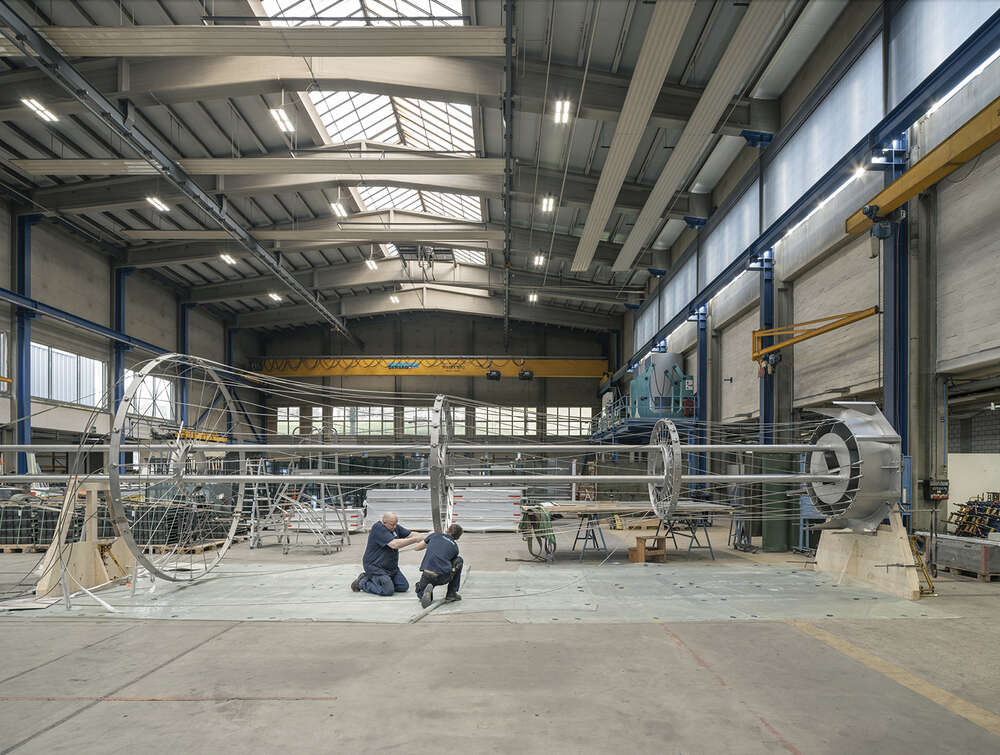
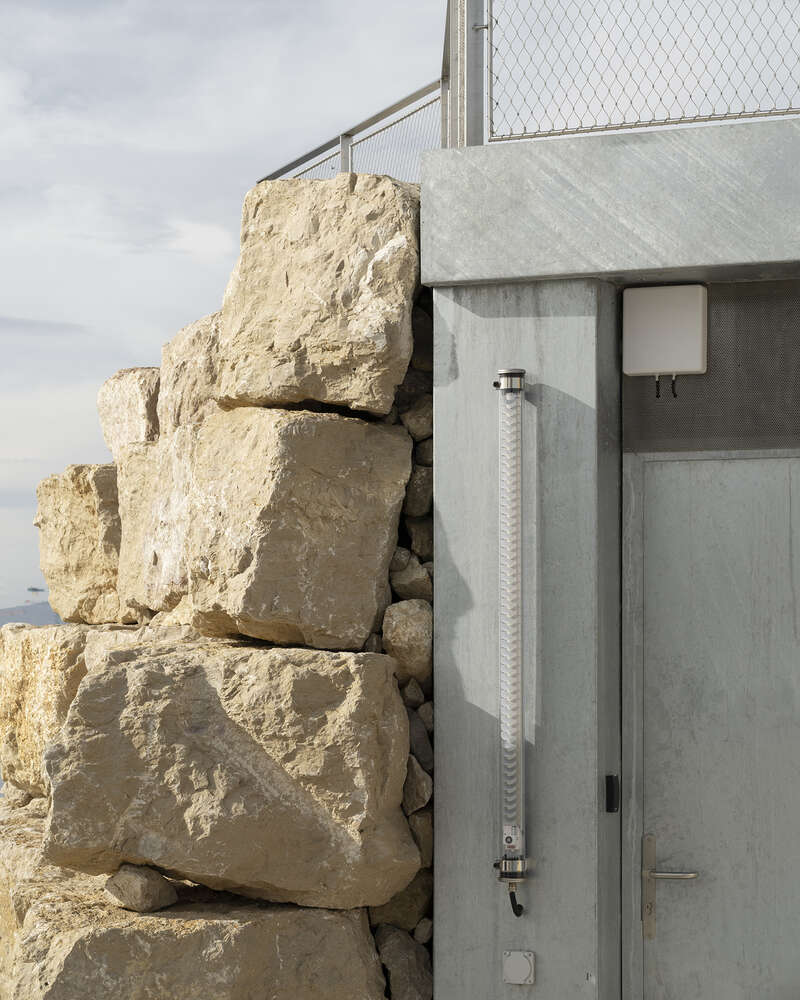
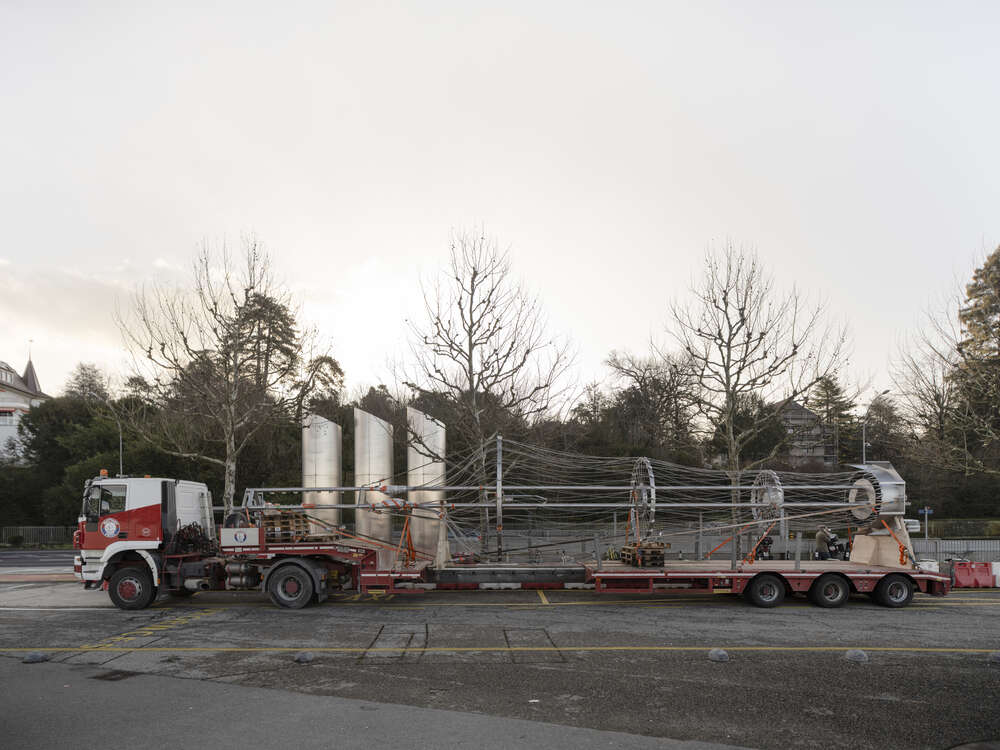
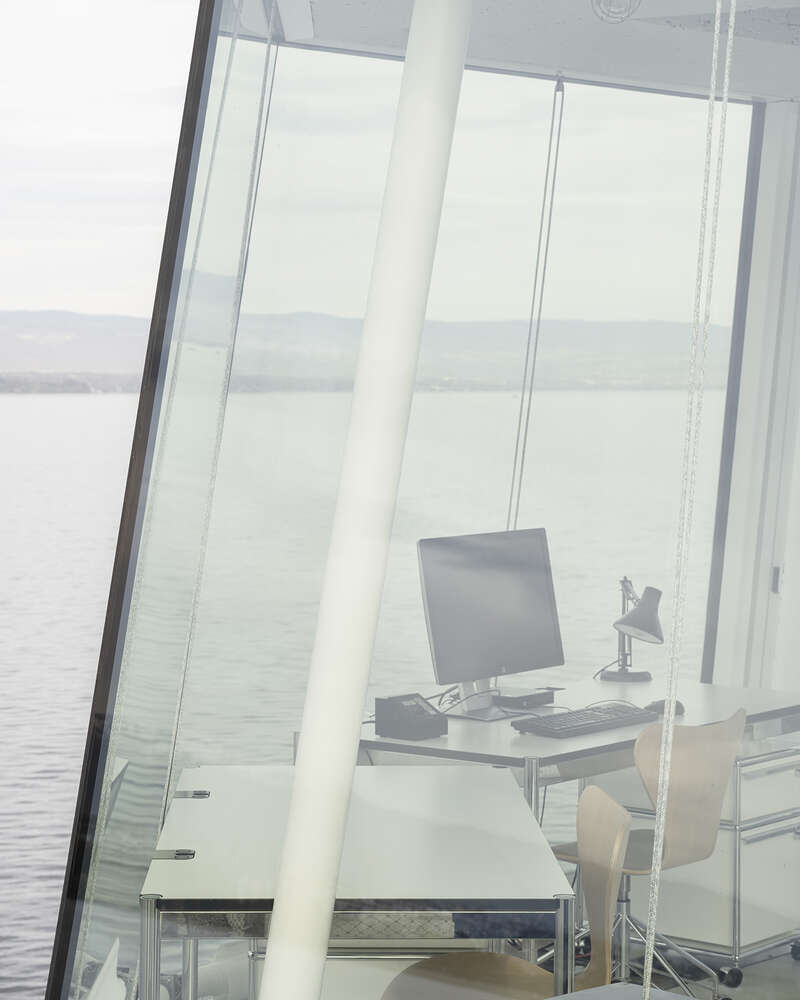
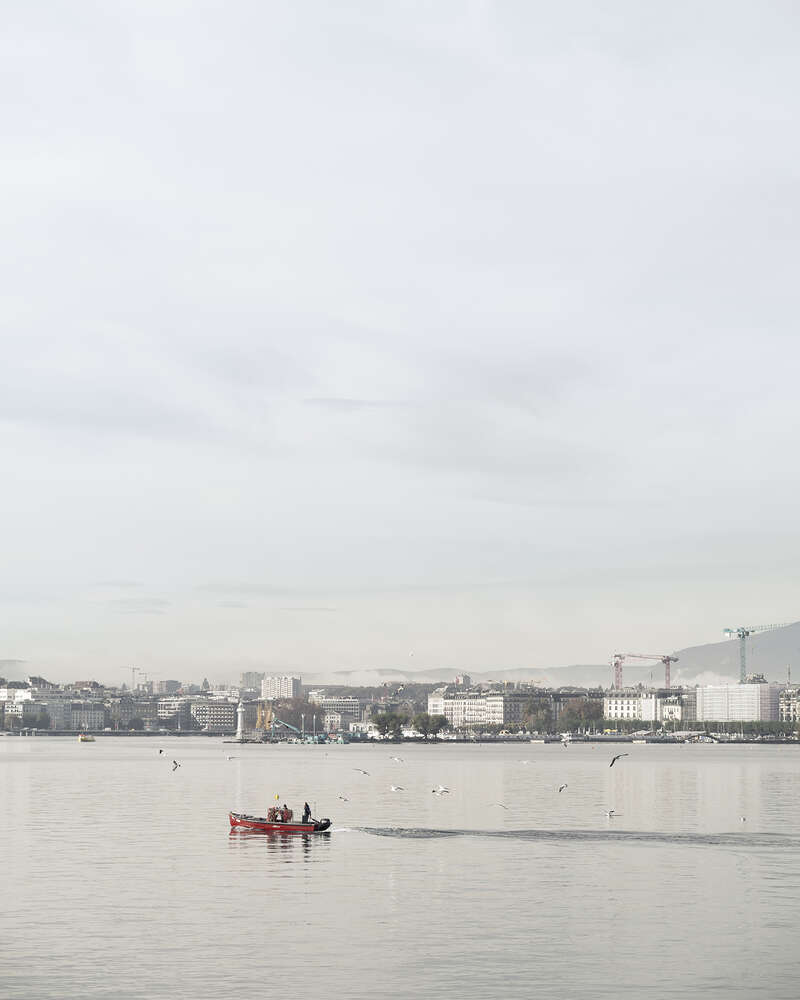
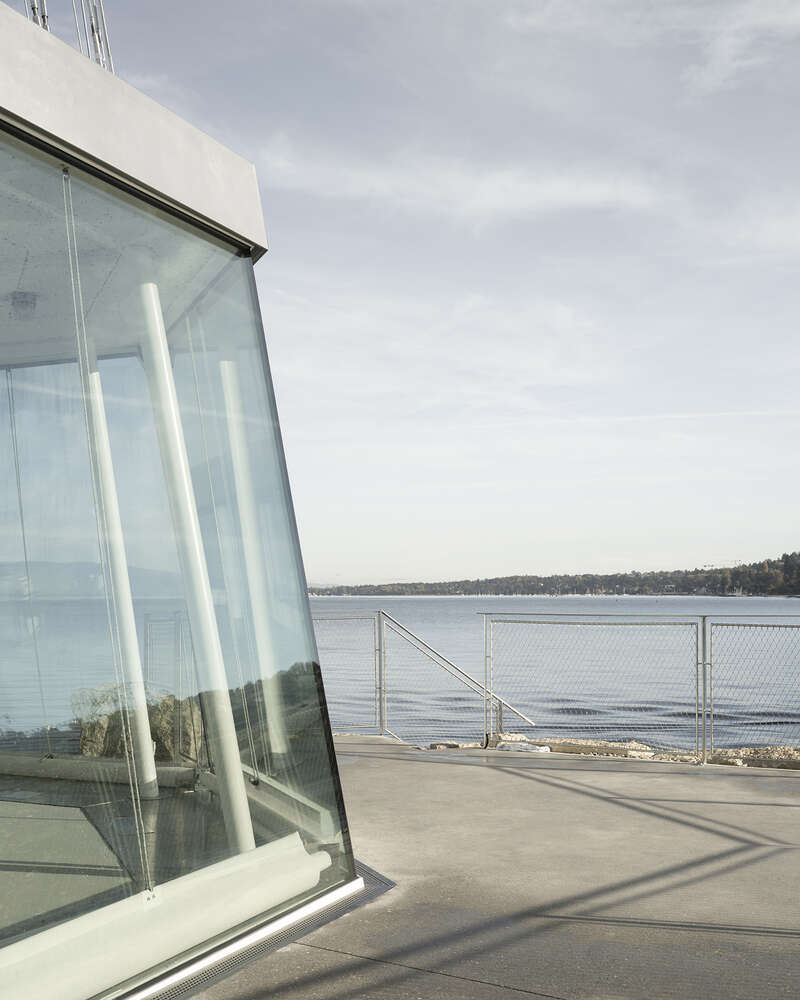
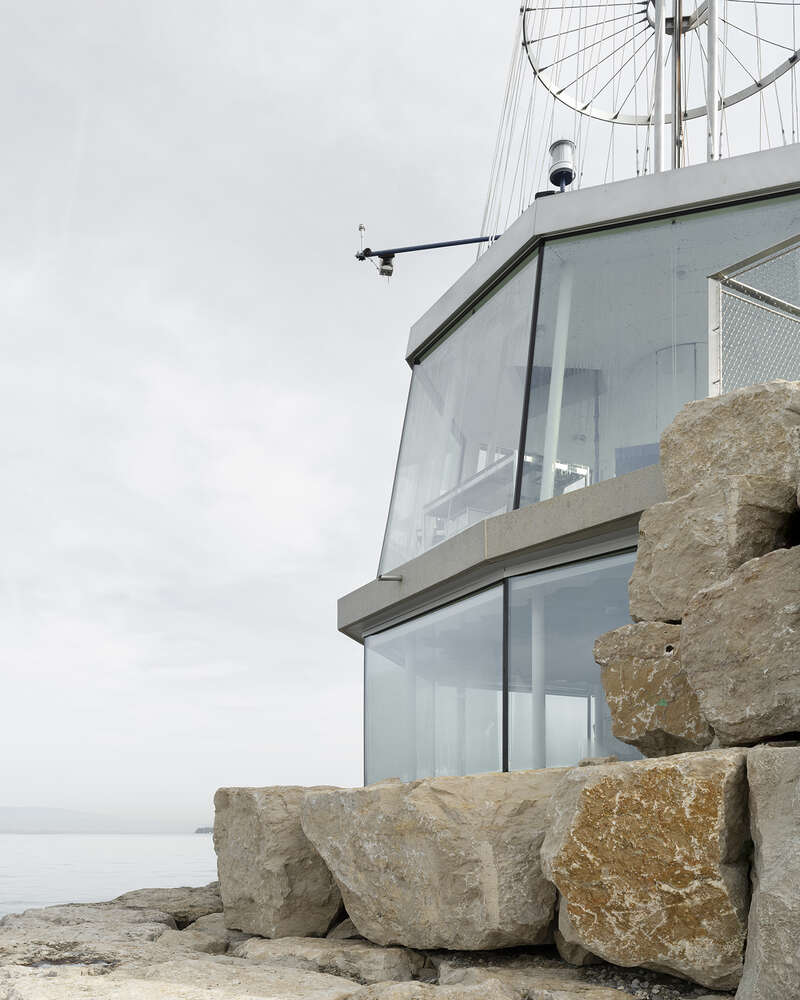
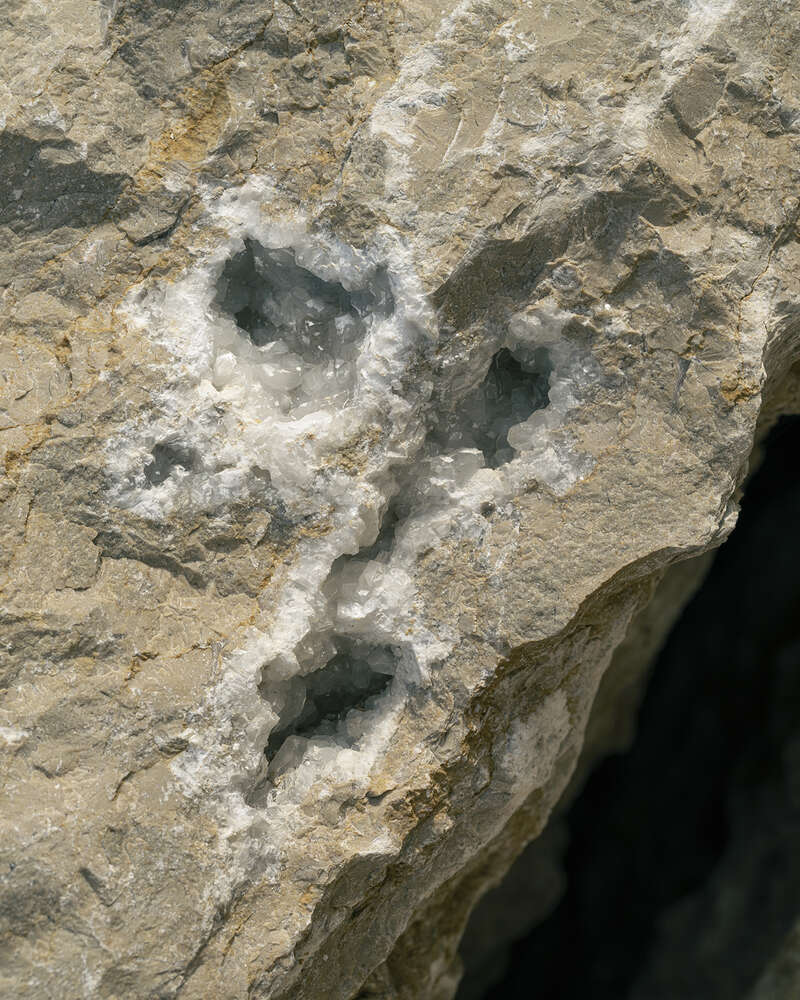
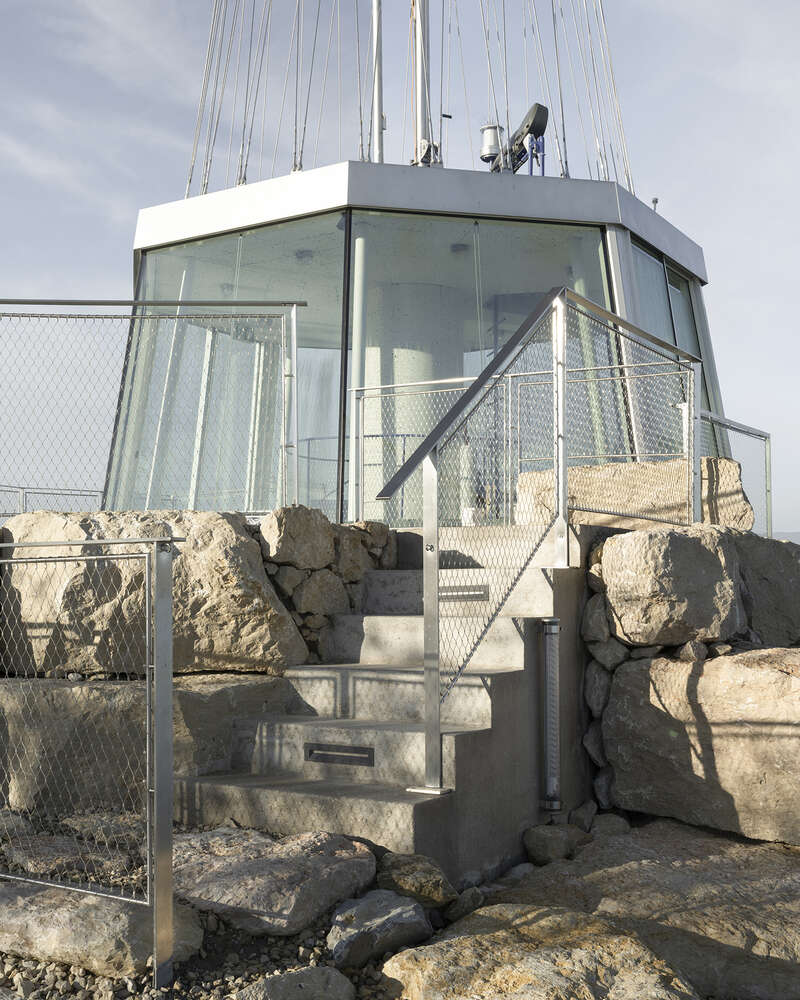
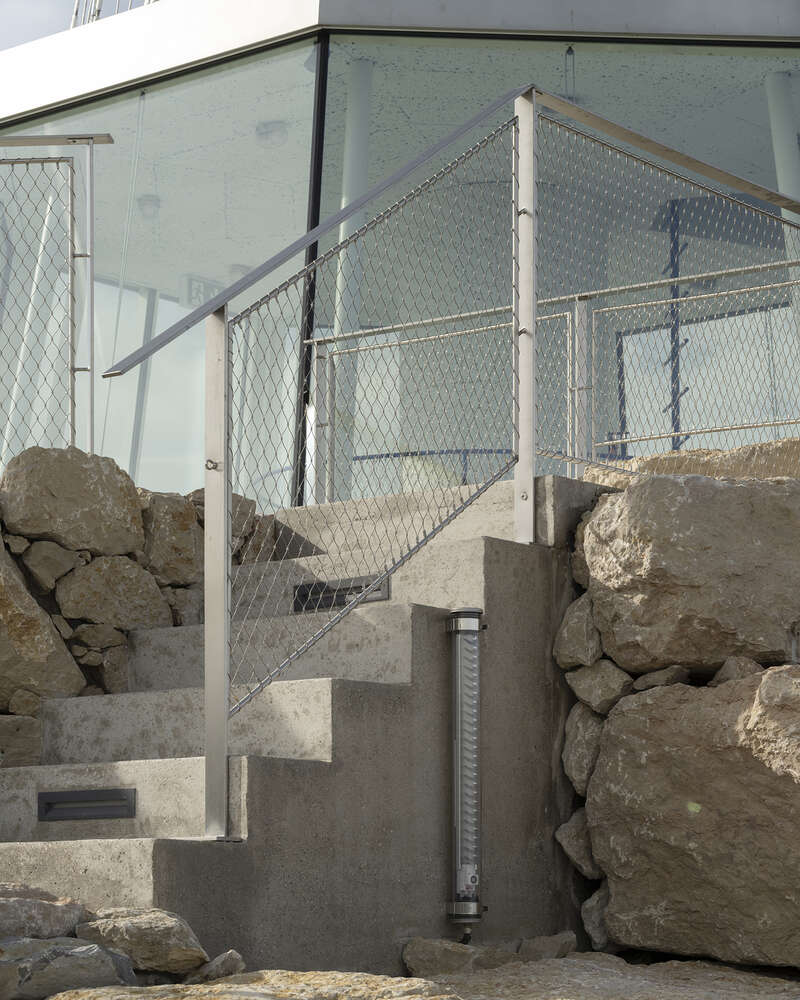
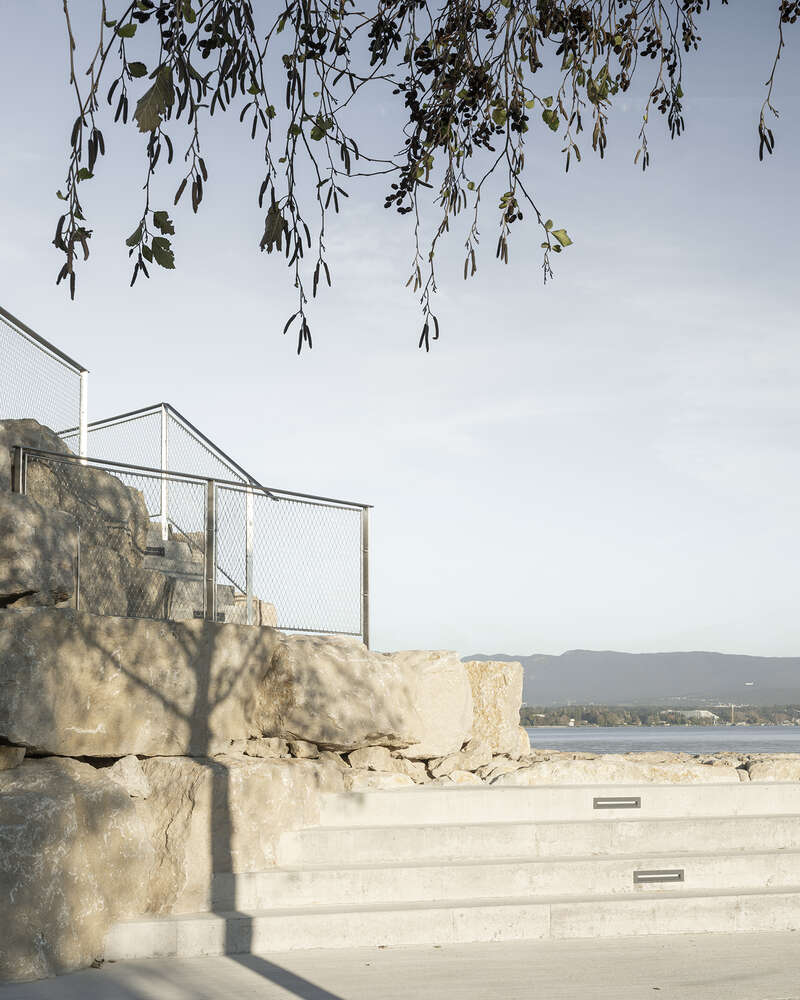
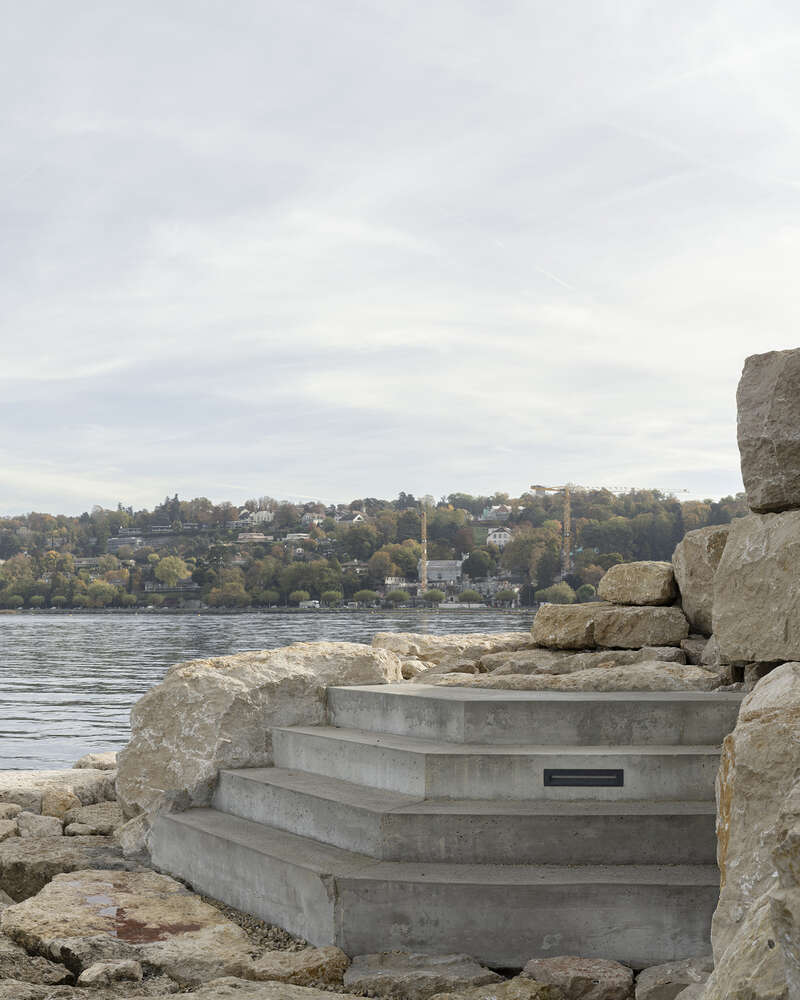
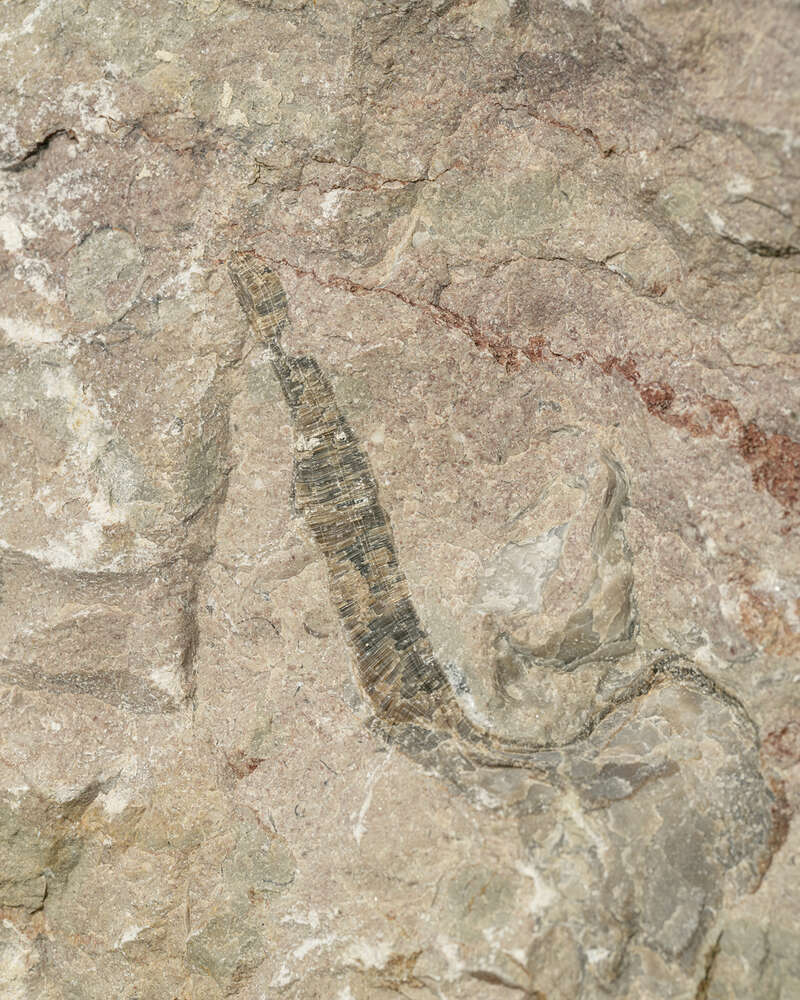
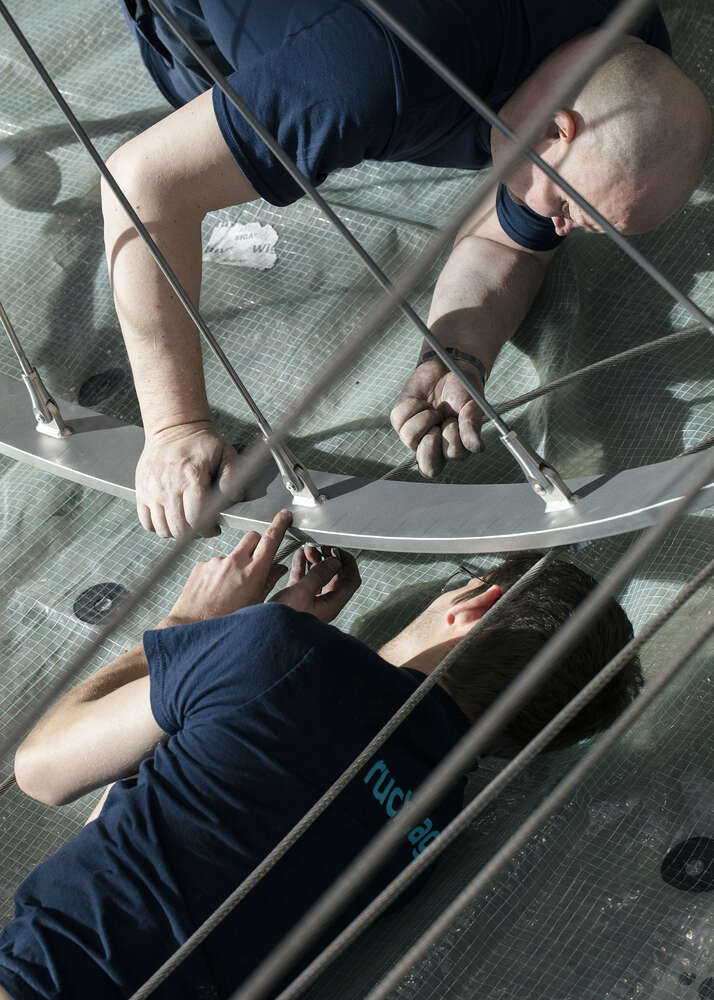
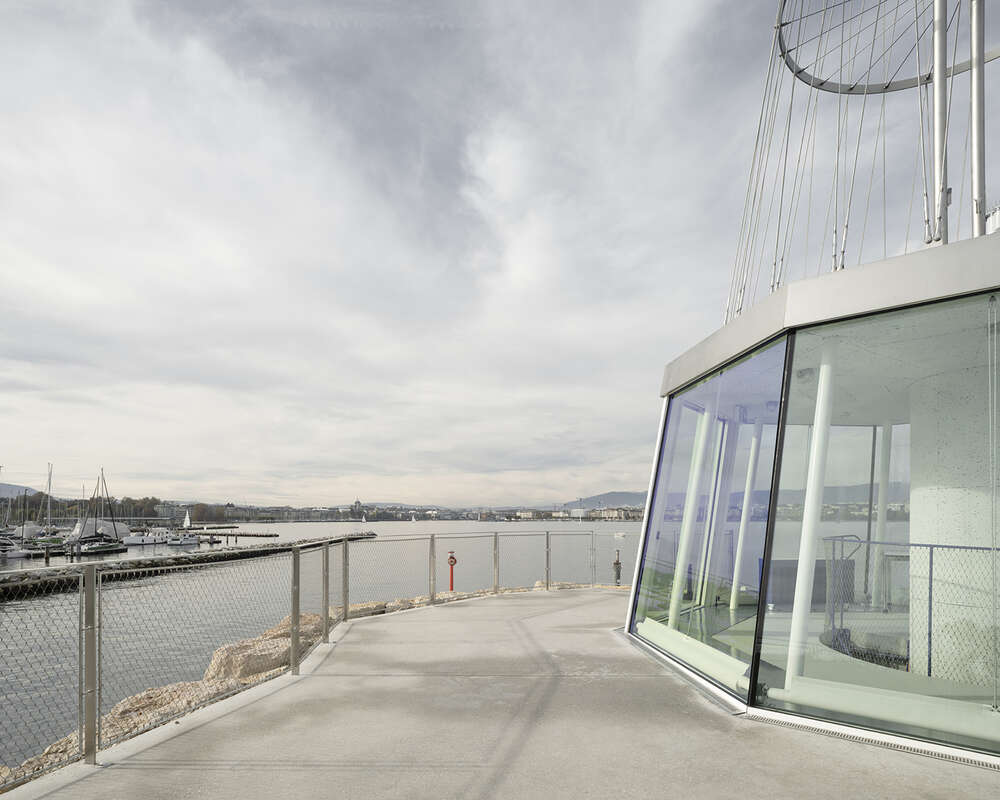
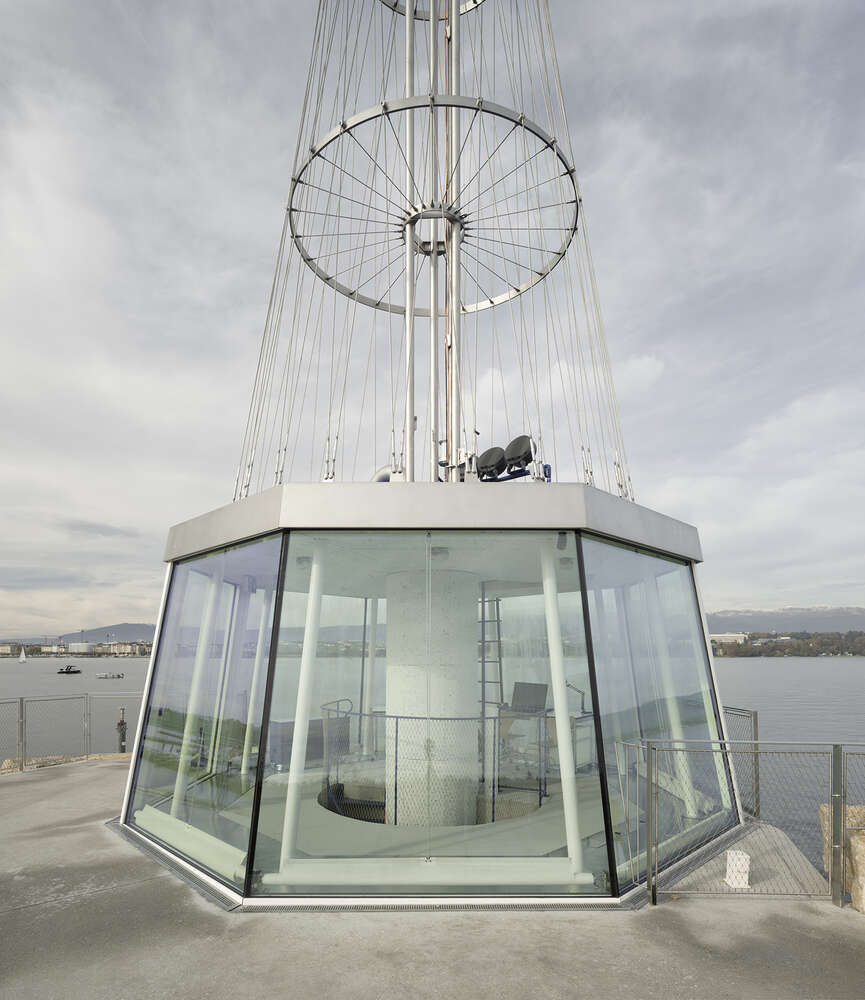
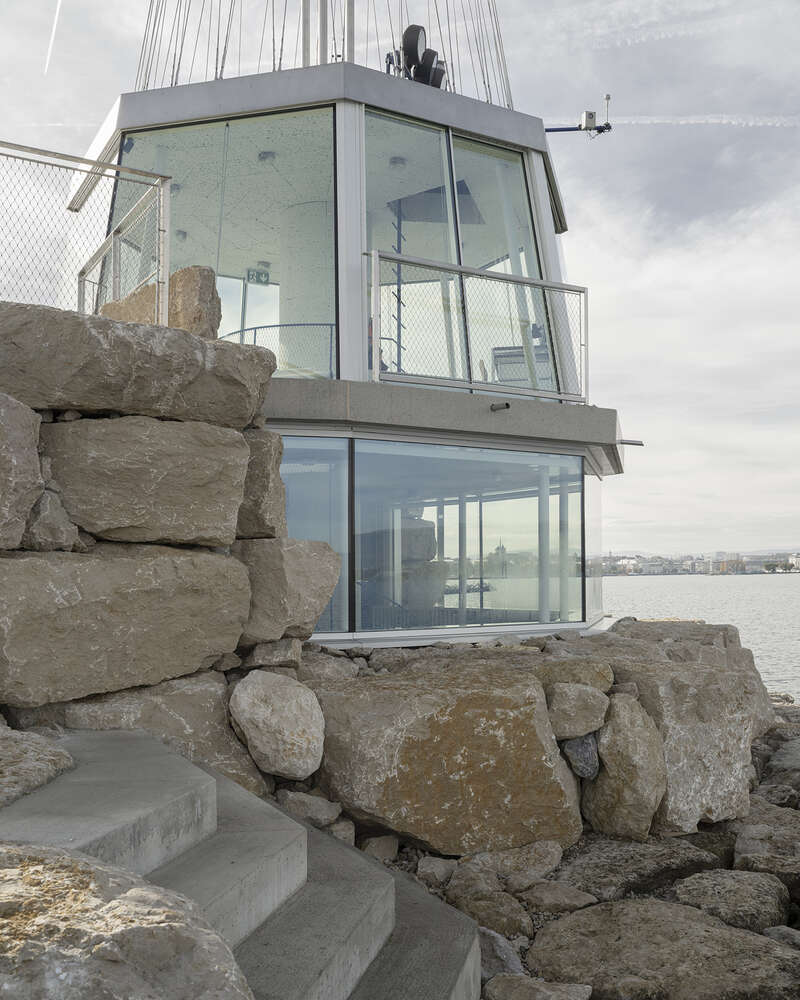
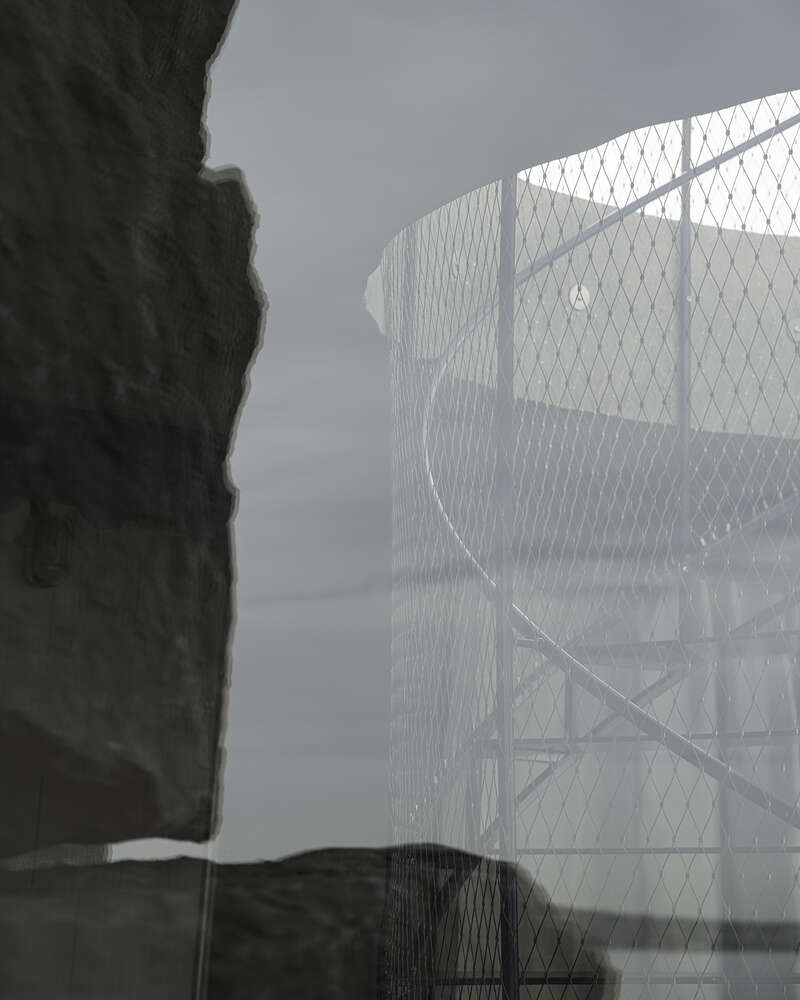
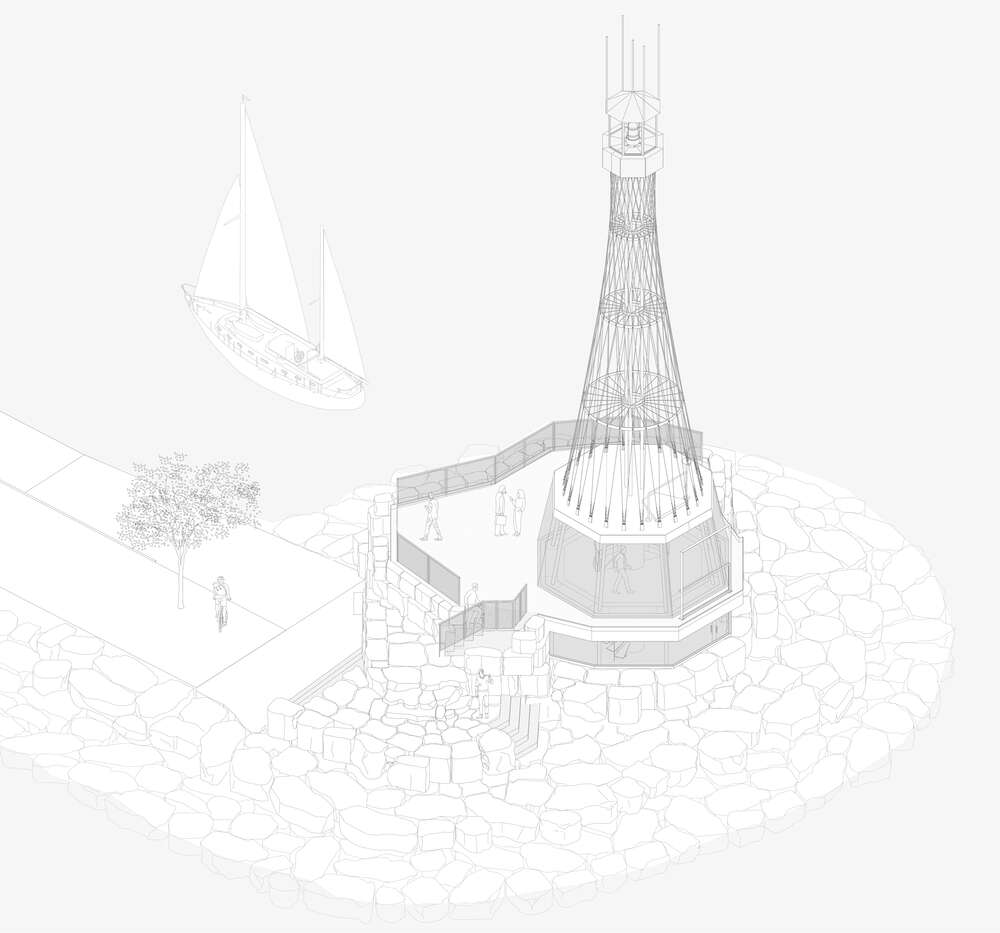
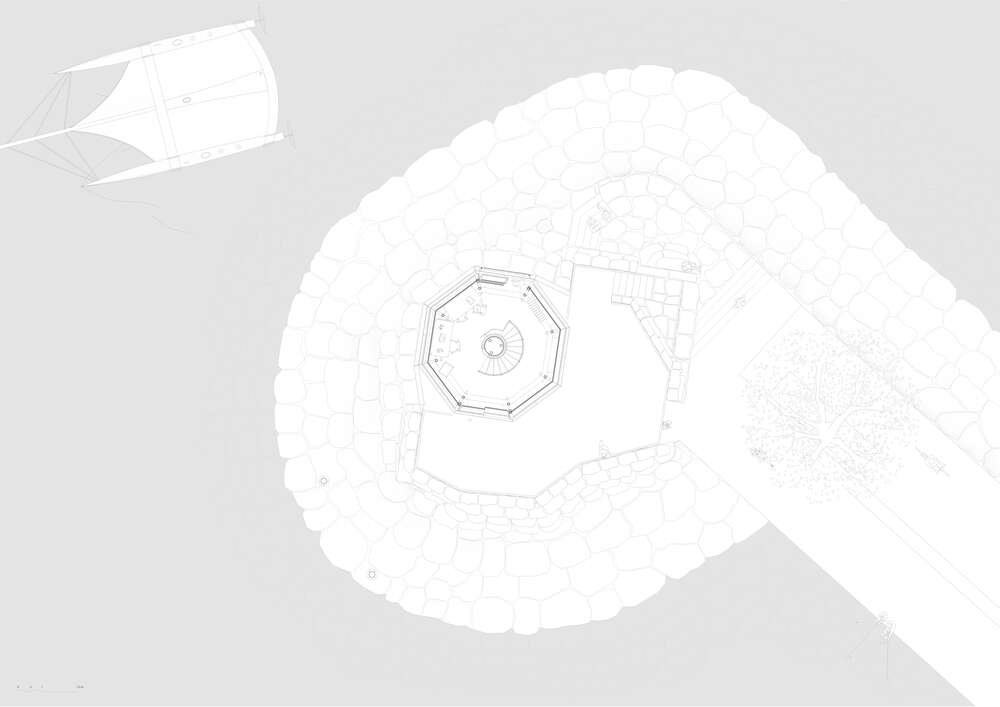
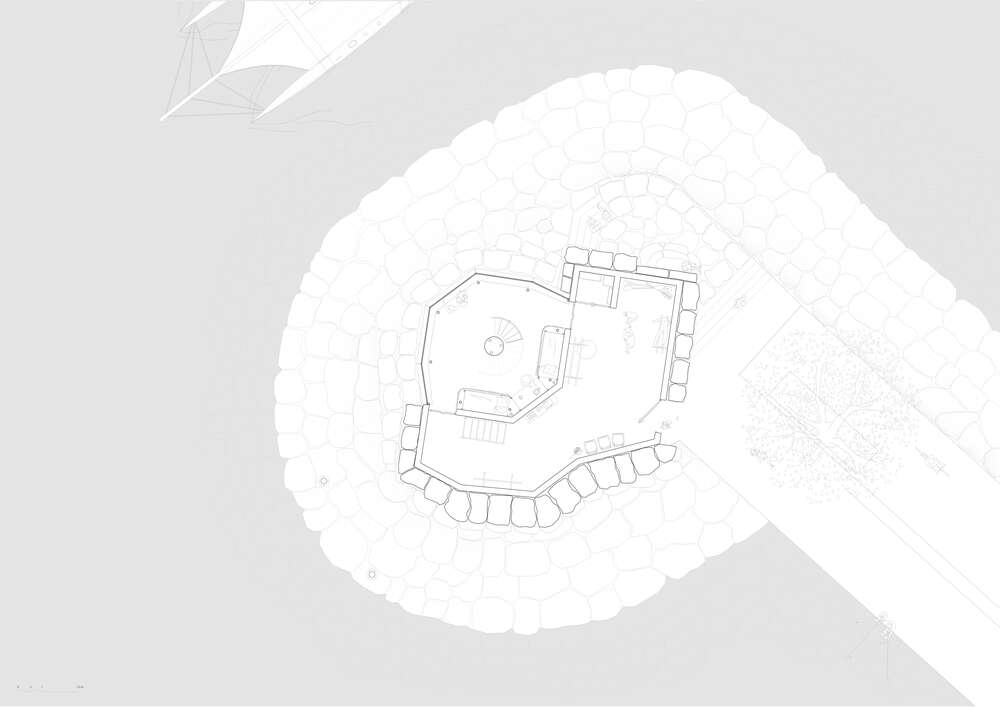
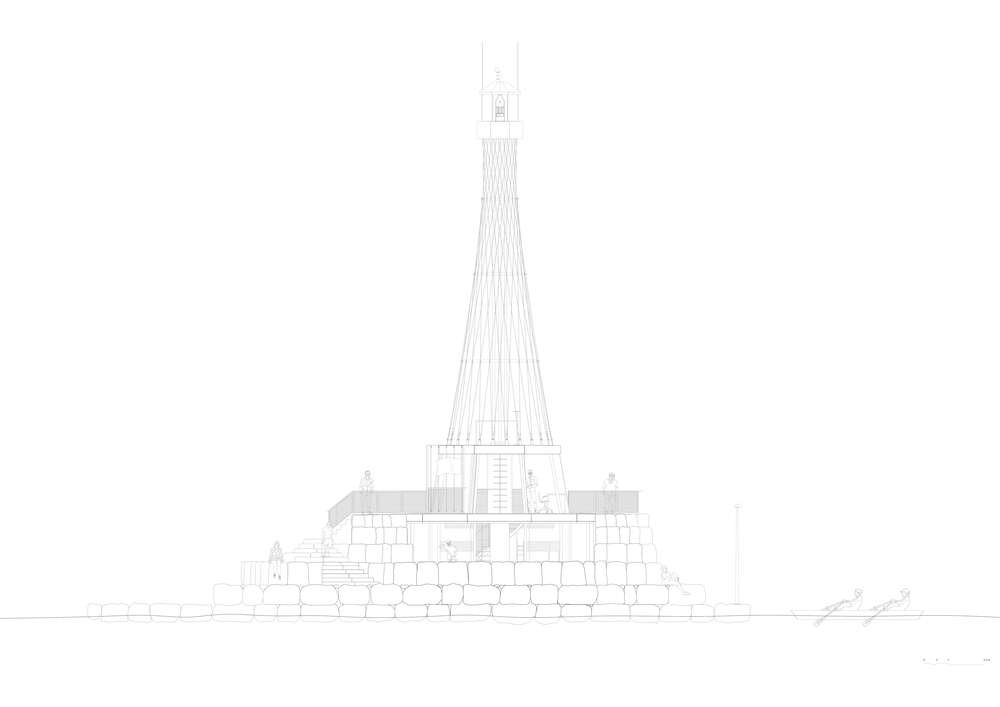
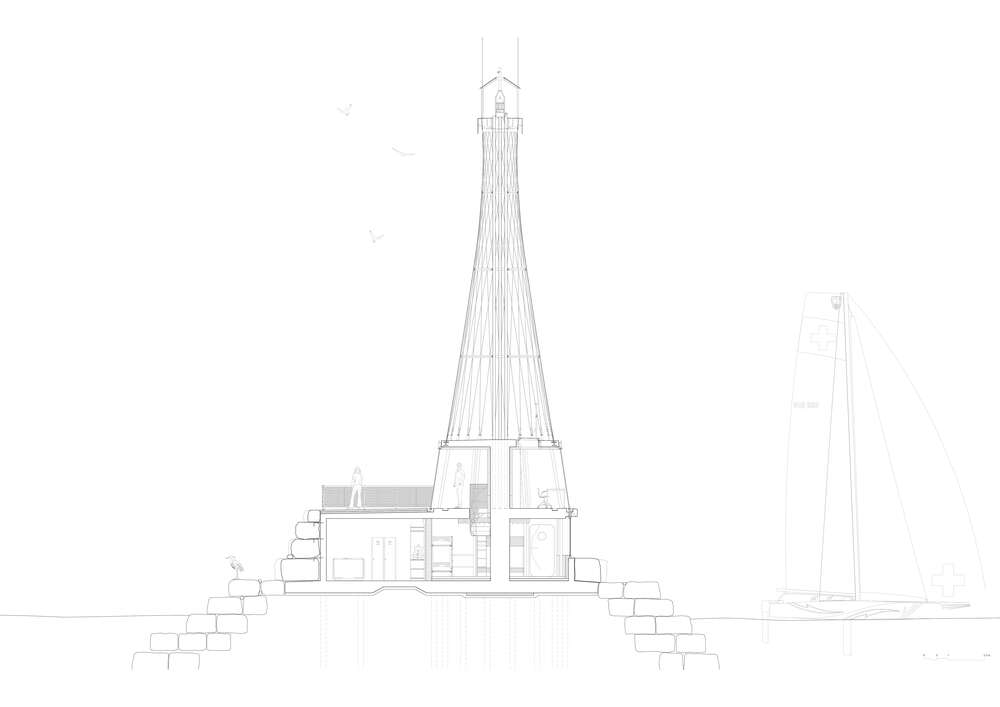
This unitary object is inevitably and closely linked to specific landscape conditions, often very beautiful, since the lighthouse is located at the edge of the landmasses, becoming the last – or first – vertical sign that the maritime traveller will see upon returning from their journey. The context of the Geneva harbour may not offer the dramatic landscapes that we generally associate with this iconic silhouette. It is therefore in the calm of the Geneva Lake landscape that the Lighthouse will emphasise this undeniable beauty. The project thus deliberately confirms its vocation as infrastructure. In a way, it rejects the figurative, stereotypical and well-established architectural presence of the iconic lighthouse, replacing it with an infrastructural presence set against a landscape of riprap. The lighthouse is a tribute to the hyperboloid structures of Vladimir Shukhov, the Soviet engineer of the early 20th century. The Adziogol lighthouse is just one of his many explorations of ultra-light structures of this type. This lightness seemed perfectly suited to the context of Geneva waterfront. A mirage, an architecture made of landscape and transparency, where the lighthouse is not an object but a structure, an artefact that plays with its appearance and disappearance, its evanescence in the sky. In contrast to this vertical lightness, it stands on a solid, mineral, anchored base. It rises, literally, from a rocky base, a modified version of the mineral blocks found throughout the harbour.
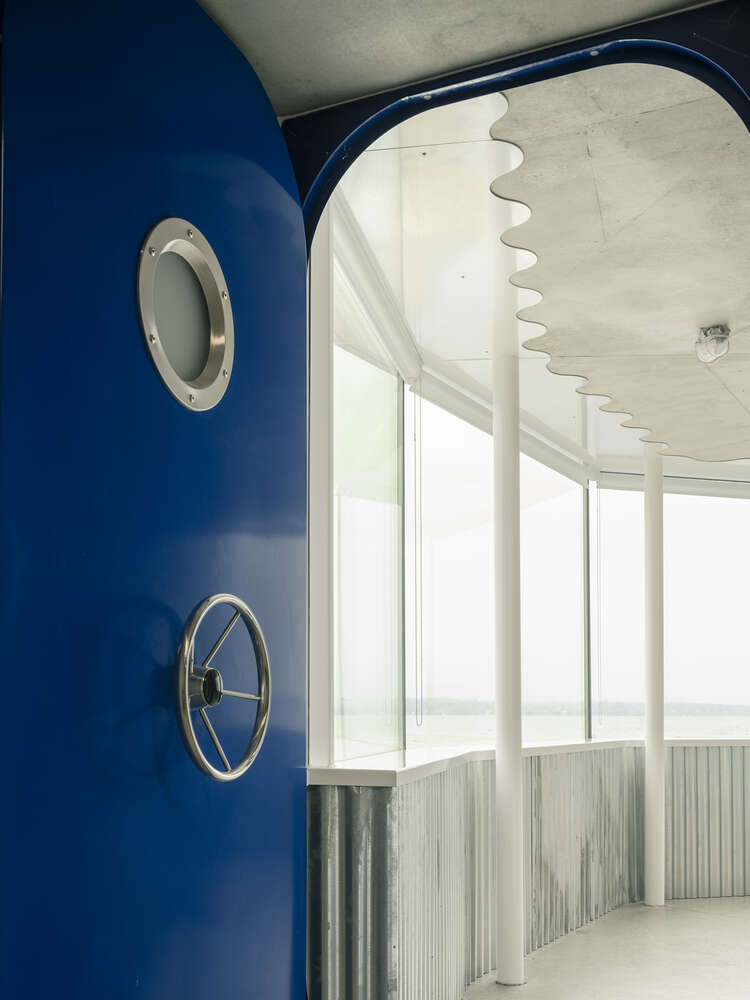
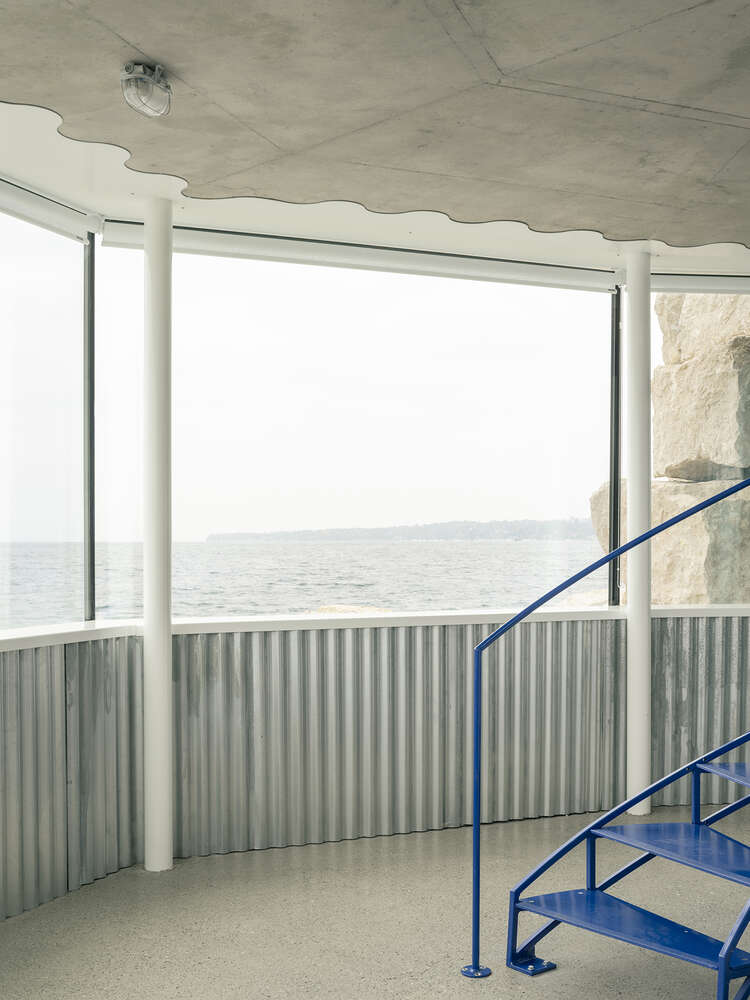
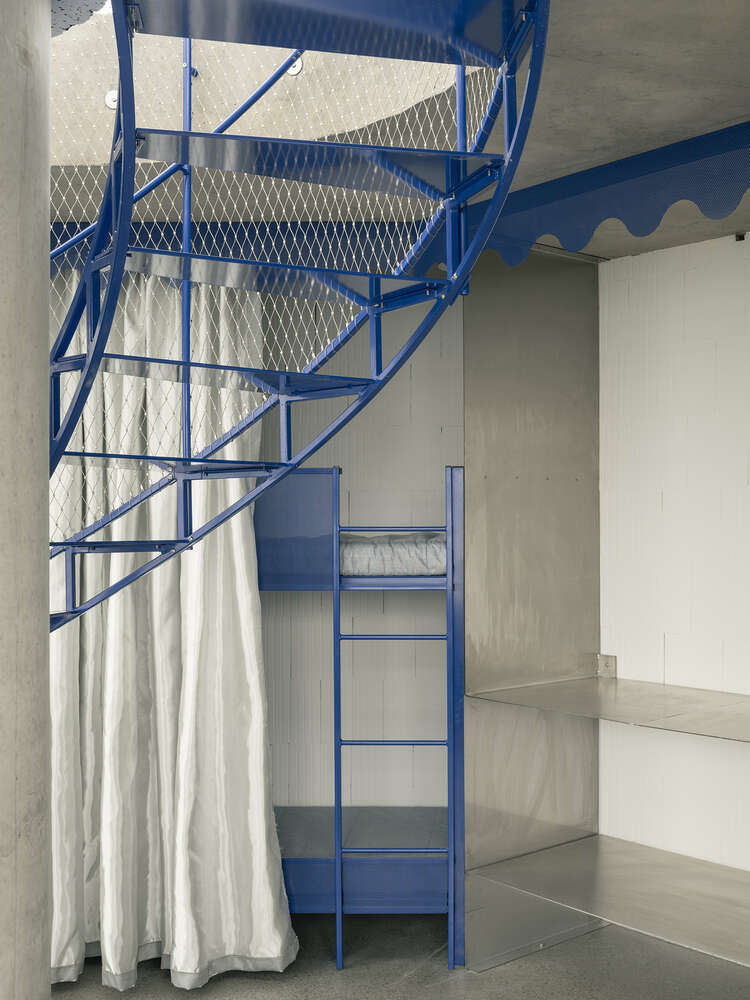
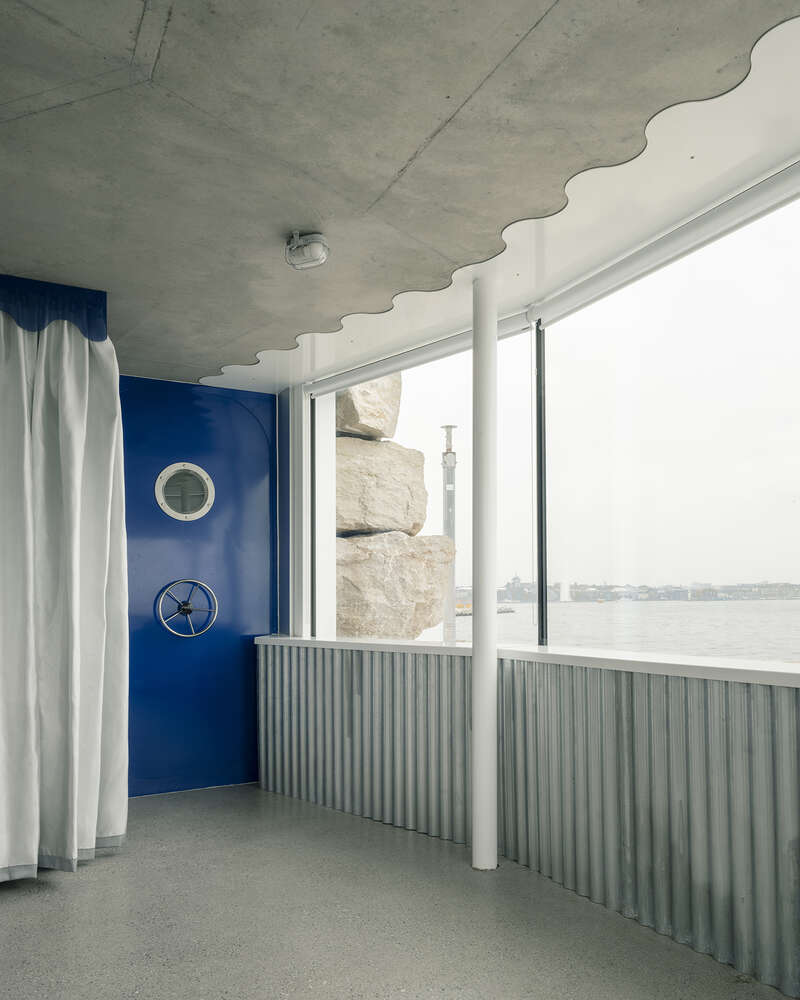
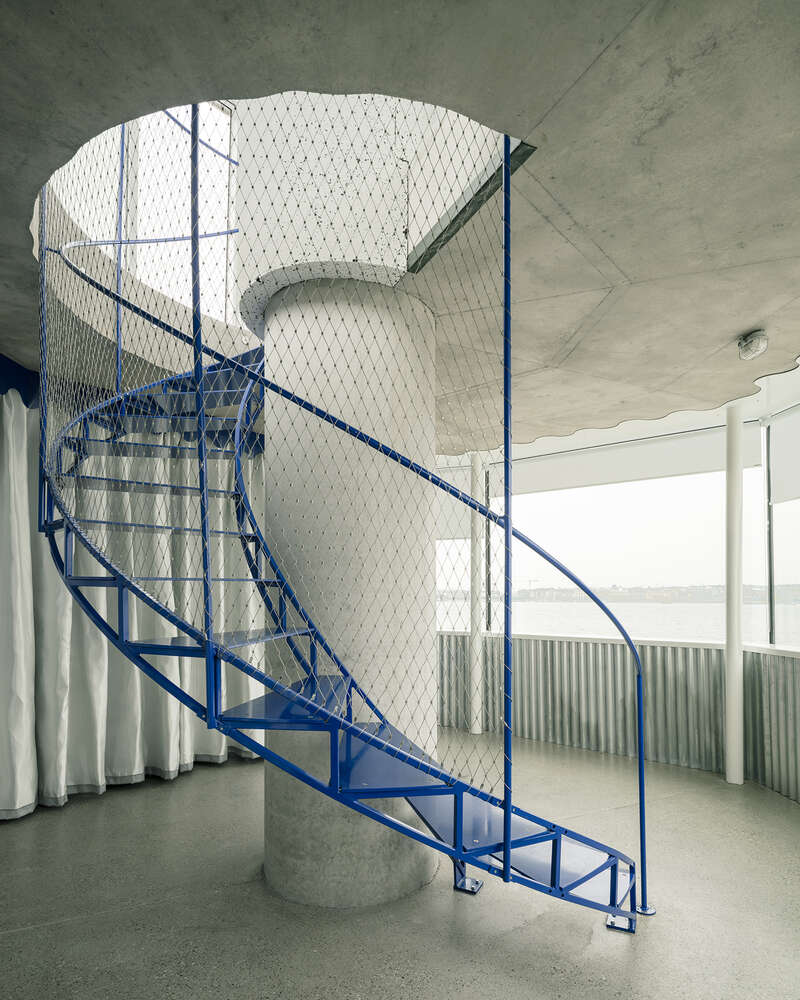
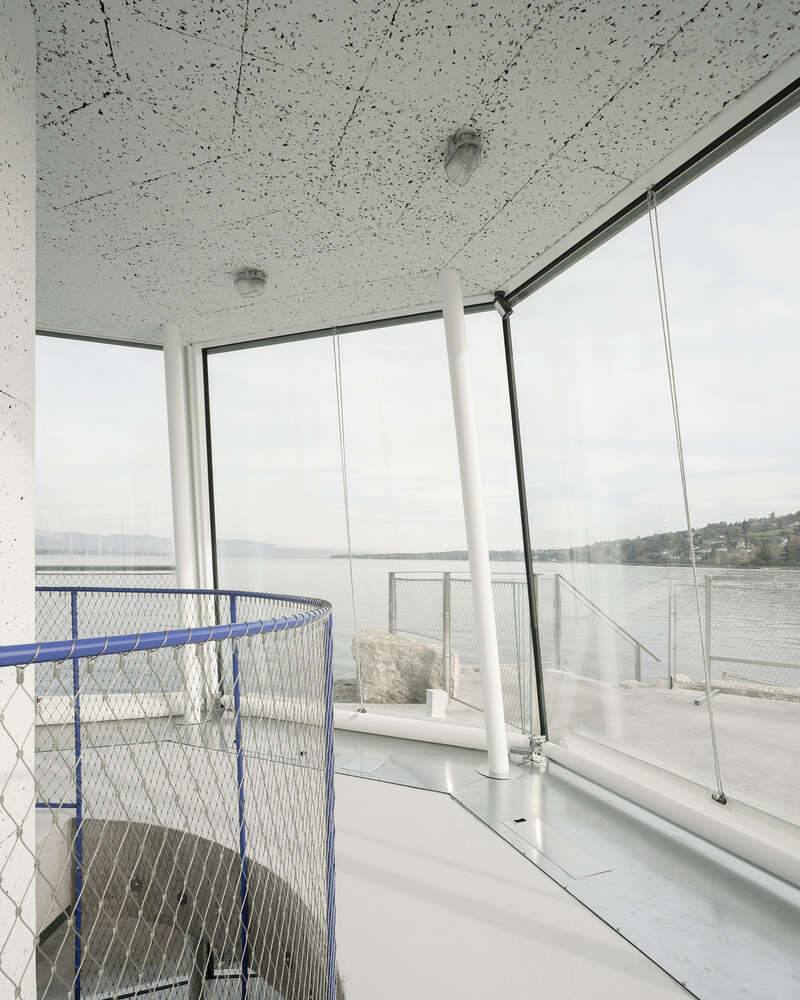
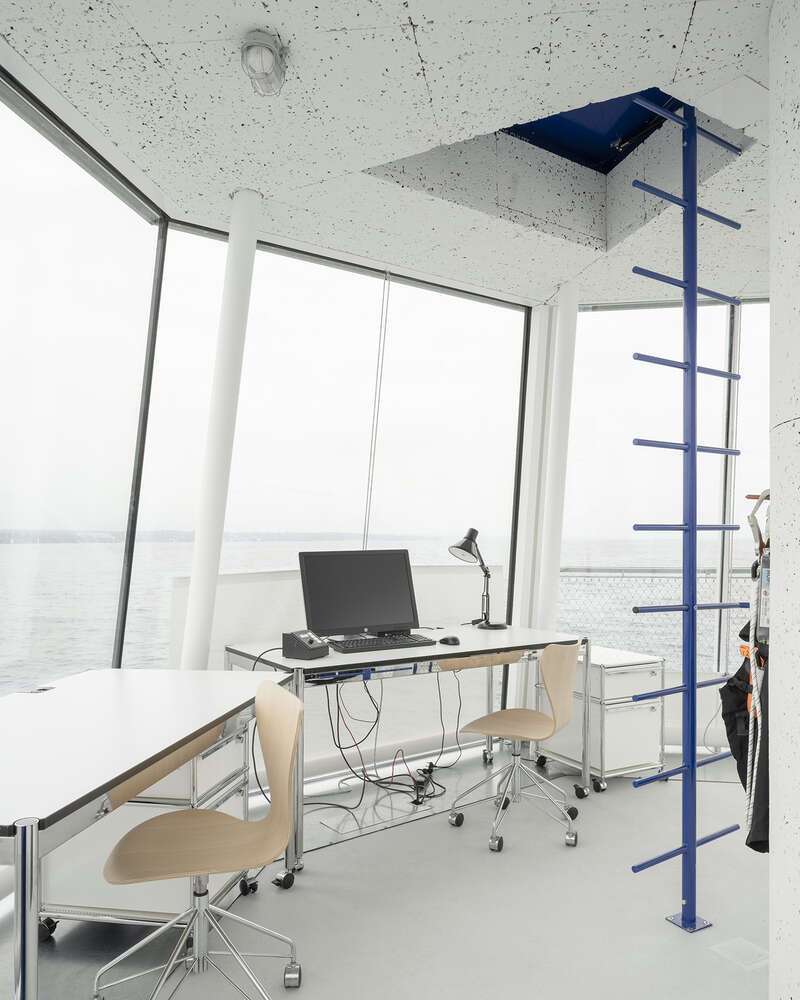
The site, silent and delicate, presents a unique opportunity to create a landscape, to accentuate this point of extension into the lake with a strong and well-placed development that serves as a support for the lighthouse structure. The experience of the place will thus be multifaceted and rich, both outside and inside the new construction. Indeed, the three floors of the proposal offer a variety of experiences. In the base, a living space, there is a panoramic view and a protected interior, centred on a long panorama window. This interior evokes the magical constructions of the artist turned architect César Manrique in Lanzarote. In the upper cabin, a compact and efficient boat cabin experience overlooks the lake and offers a full panoramic view. The final important element of the project is a dynamic lantern. The light fixture can be raised and lowered using a guidance system incorporated into the pillars and structure of the lighthouse. The lighthouse thus offers a set of dynamic landscape and structural elements that can interact with the lake and the harbour, with the distant, the near and the intimate.